
New Research Links Microplastics in the Brain to Dementia Risk
Research has suggested that the human brain may contain a spoonful of microplastics. Now, evidence is emerging to suggest that this microplastic accumulation may play a role in one of the world’s fastest-growing health concerns: dementia.
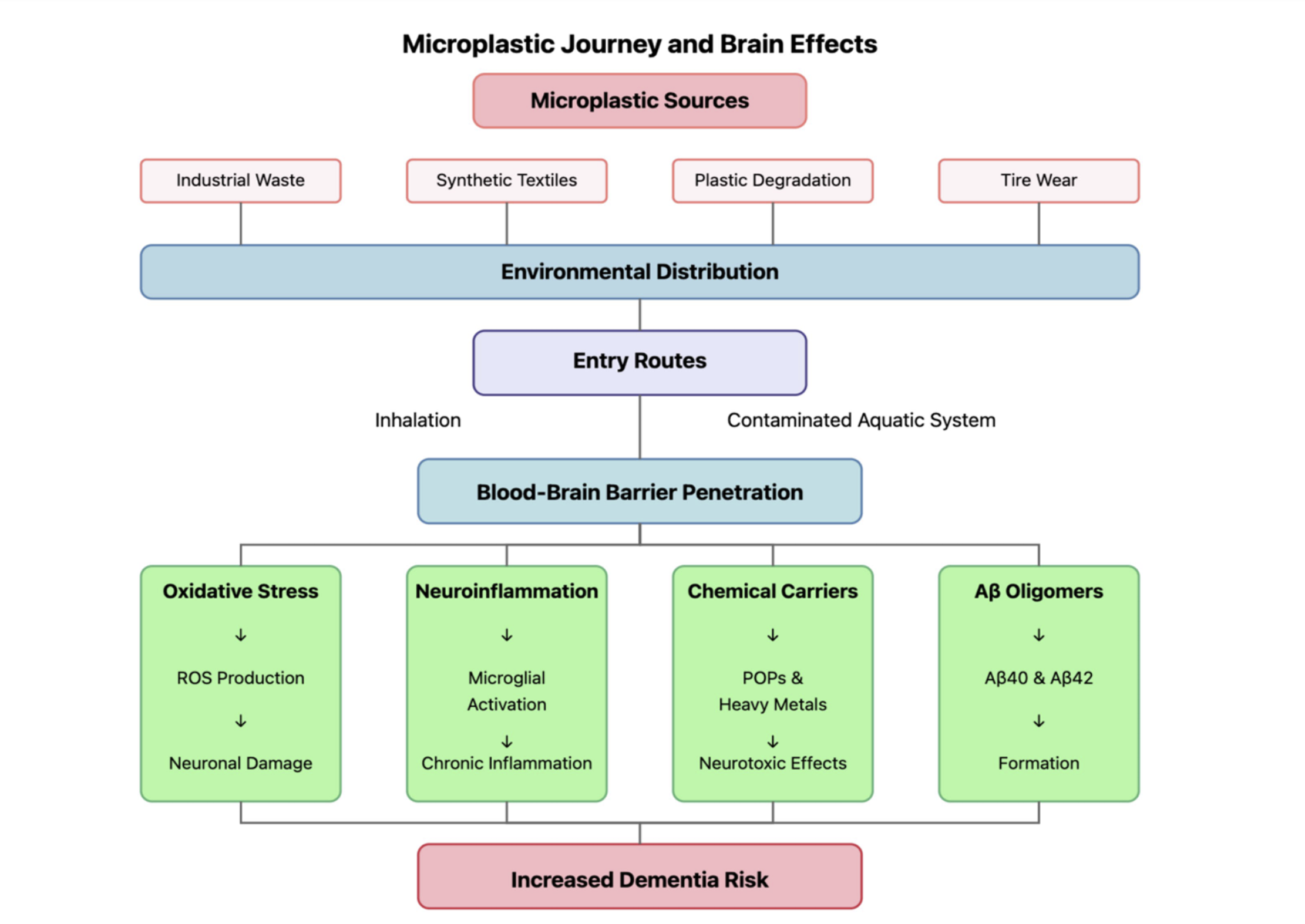
A recent review article published in Frontiers in Neurology explores the growing body of evidence connecting chronic microplastic exposure to neurodegeneration and cognitive decline. While research is still developing, scientists are beginning to uncover how these tiny plastic particles may contribute to brain damage through oxidative stress, inflammation, neurotoxicity, and the buildup of harmful proteins associated with Alzheimer’s disease.
Microplastics and the Brain
Microplastics are tiny plastic particles less than 5 mm in size, often smaller than a grain of sand. They originate from sources such as degrading plastic waste, synthetic clothing fibers, tire wear, industrial pollution, and personal care products. Because they are so small, microplastics can travel through the environment undetected, polluting oceans, waterways, food systems, and even the air.
Humans are exposed to microplastics through the water we drink, food we eat, and air we breathe. There is growing evidence that microplastics can then cross the blood-brain barrier, a protective barrier intended to shield the brain from harmful substances. Once inside the brain, researchers believe microplastics may interfere with normal functioning and contribute to cognitive decline in several ways.
Oxidative Stress
Oxidative stress is the imbalance of antioxidants and unstable molecules called free radicals in the body, which leads to cellular damage. The brain is particularly vulnerable to oxidative stress due to its high energy demand and limited antioxidant defenses.
While oxidative stress can result from many factors, emerging research suggests that microplastics may increase the production of reactive oxygen species (ROS), a highly reactive type of free radical, within the brain. Excess ROS can damage cells, proteins, and DNA, contributing to inflammation and cognitive decline.
Chronic Neuroinflammation
Research also suggests that microplastics activate microglia, the brain’s immune cells. While microglia are essential for protecting the nervous system, chronic activation can lead to prolonged inflammation that damages healthy brain tissue. Persistent inflammation in the brain is already recognized as a key feature of Alzheimer’s disease and dementia, so long-term microplastic exposure may pose a serious risk.
Transporting Toxic Chemicals
Microplastics may also act as carriers of harmful chemicals such as heavy metals, pesticides, PFAS, and other toxic pollutants. Scientists describe this as a “Trojan horse” effect, where microplastics transport toxic compounds directly into sensitive tissues, such as the brain. These chemicals have been linked to degeneration in the brain by interfering with neurotransmission, the brain’s communication network, and other critical biological processes.
Accelerating Alzheimer’s-Related Protein Buildup
The review also discusses evidence that microplastics may accelerate the aggregation of amyloid-beta proteins, the protein clusters strongly associated with Alzheimer’s disease. Studies suggest that microplastics can lower the energy barrier required for these proteins to clump together and may trigger structural changes that speed up amyloid formation, effectively making it easier for harmful protein clusters to develop. Research goes on to suggest that once these clusters have formed, microplastics may be able to stabilize them, creating a longer window for their harmful effects.
Microplastics in Patients with Dementia
According to the review, researchers have found that individuals diagnosed with dementia had substantially higher concentrations of microplastics in brain tissue compared to non-dementia controls.
While this research does not prove that microplastics directly cause dementia, the findings strengthen concerns that chronic exposure may contribute to neurodegenerative disease risk over time.
Why This Matters
As research continues to investigate the long-term health effects of microplastic exposure, one thing is becoming clear: stopping microplastic pollution is critical. Every microplastic prevented from entering waterways and ecosystems represents one less particle circulating through the environment and potentially into our bodies.
At CLEANR, we believe that reducing microplastic pollution starts inside the home. Washing our clothing is the largest source of microplastic pollution, making filtration and prevention technologies an important part of the solution.
By preventing microplastics from entering wastewater systems at the source, household filtration can play an important role in protecting waterways, ecosystems, and potentially long-term human health. The CLEANR Microplastic Filter for washing machines offers a simple way to reduce your impact by filtering 90%+ of microplastics out of laundry wastewater before they leave your home. This simple solution can stop billions of microplastics from entering our environment, paving the way to a cleaner, healthier world.